Stump Grinding vs Stump Removal: Which Fits?
A tree may be gone, but the stump can still limit what you can do with the property. It can interfere with mowing, attract pests, create a trip hazard, or sit directly where you need a driveway, patio, fence, or new construction. When deciding between stump grinding vs stump removal, the right answer depends on your plans for the ground beneath and around that stump.
For many Central Mississippi property owners, grinding is the efficient choice. For others, complete removal is worth the added excavation because they are preparing for a build, correcting a drainage issue, or clearing land from the ground up. Here is what separates the two services and how to choose with confidence.
What Is Stump Grinding?
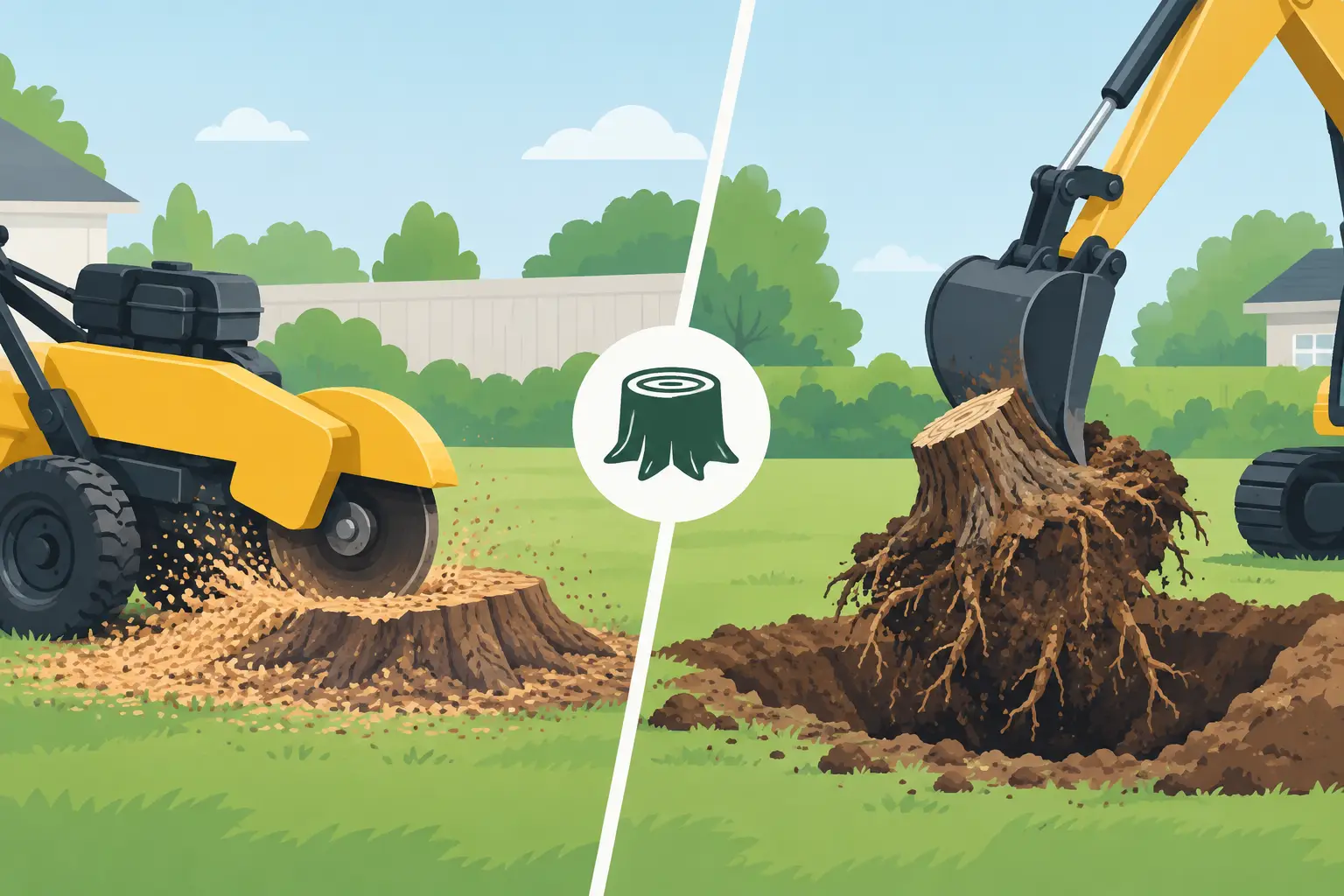
Stump grinding removes the visible portion of a stump by using a powerful machine with a rotating cutting wheel. The machine cuts the wood into small chips, typically grinding several inches below the surrounding soil level. The result is a level area that can be covered with soil, seed, sod, mulch, or landscaping.
The major root system remains in the ground. Those roots gradually decay over time, a process that can take years depending on the tree species, soil moisture, and size of the roots. In most residential yards, leaving those roots in place does not create a practical problem.
Grinding is often the preferred option after routine tree removal because it is less disruptive than excavation. A skilled crew can access the stump, grind it efficiently, manage the wood chips, and leave the area ready for basic lawn restoration. It also avoids creating a large hole that must be backfilled and compacted.
When grinding makes sense
Stump grinding is usually a strong fit when the stump is in a lawn, landscape bed, or other area where you simply want the obstacle gone. It is also a practical choice if you need to restore curb appeal, make mowing easier, remove a tripping hazard, or prevent a stump from becoming a home for ants, termites, beetles, or fungi.
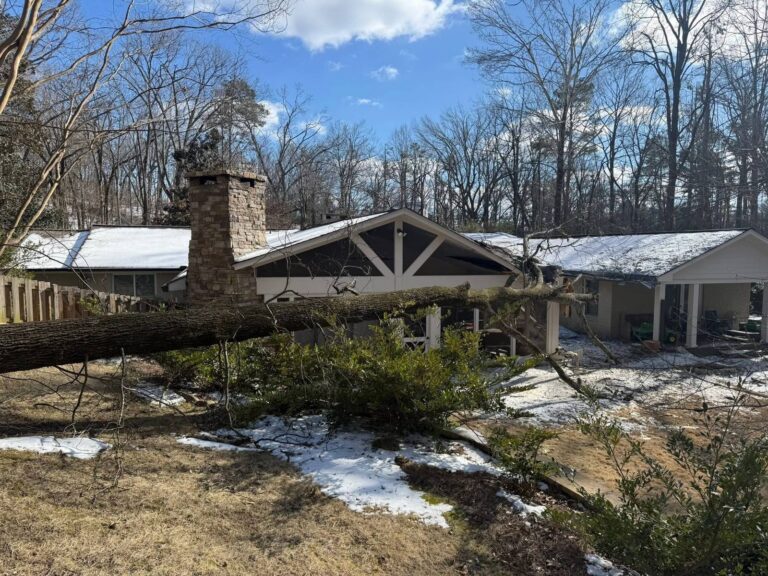
It can be especially helpful after storm damage. Once a damaged tree has been safely removed, grinding the remaining stump helps return the property to a clean, usable condition without turning a recovery job into a larger excavation project.
What Is Complete Stump Removal?
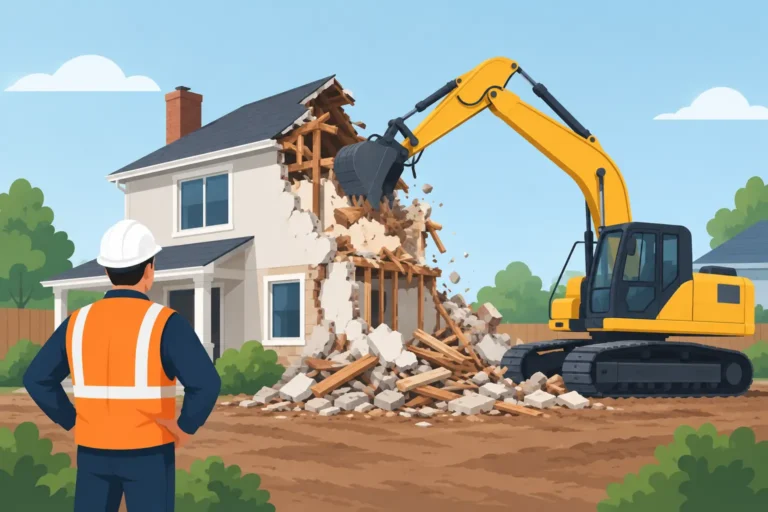
Complete stump removal means pulling out the stump along with its main root ball and larger connected roots. This process generally requires excavation equipment, especially for mature hardwoods and large established trees. The crew digs around the stump, cuts through major roots, lifts the stump from the ground, and removes or processes the material.
Unlike grinding, removal creates a sizable opening in the ground. That area must be backfilled with suitable material and properly graded. Depending on the property and future use, it may also need compaction to reduce settling.
Complete removal is more involved, but it provides a clean slate below ground. If roots would interfere with a project, this can be the better long-term solution.
When complete removal is worth it
Choose full removal when the stump and roots sit in the footprint of a planned structure or hardscape. Builders and property owners may need the area cleared before installing a foundation, concrete slab, retaining wall, utility line, driveway, or pool. Removing only the visible stump may not provide enough clearance for those projects.
Full removal can also make sense when you are clearing a lot for development, regrading a site, or replacing old landscaping with a design that requires excavation. On commercial properties and larger tracts, crews often remove stumps as part of broader land-clearing work so the site is ready for the next phase.
Stump Grinding vs Stump Removal: Key Differences
The biggest difference is what stays underground. Grinding removes the stump to below grade but leaves the roots to decompose naturally. Removal extracts the stump, root ball, and major roots, requiring more digging and site restoration.
That difference affects cost, time, and impact on the property. Grinding generally requires less labor and causes less disturbance, which often makes it the more affordable service. Complete removal takes heavier equipment, more time, hauling, and backfilling. Large root systems may also run beneath grass, landscaping, irrigation lines, sidewalks, or nearby structures, requiring careful planning before excavation begins.
Neither option is automatically better. A stump at the back of a yard that will become lawn again is very different from a stump located where a contractor needs to pour concrete next month.
Cost and Cleanup Considerations
The price of either service depends on more than stump diameter. Tree species matters because dense hardwood stumps take longer to cut or excavate. Access matters too. A stump behind a gate, on a slope, near a fence, or surrounded by landscaping may require specialized equipment or additional hand work.
The number of stumps can also change the overall value of the job. If several trees have been removed from a property, handling the stumps together is often more efficient than scheduling separate visits.
With stump grinding, the crew produces wood chips. Property owners may choose to keep those chips for mulch, or they may request removal as part of a complete cleanup plan. Grinding also leaves a shallow depression as the remaining material settles and decomposes, so adding topsoil later is normal.
With full removal, the primary cleanup concern is the excavation area. The hole needs to be filled and graded so the ground is safe and usable. If the site will support a structure or hardscape, discuss the project requirements before work begins. Proper preparation at this stage can prevent avoidable delays later.
Safety and Property Protection Matter
A stump may look simple to remove, but the work involves powerful machinery, buried roots, and possible underground utilities. Trying to burn, chemically rot, or pull a stump with a truck can damage the property and create unnecessary safety risks. Pulling forces can also strain equipment, tear up turf, or affect nearby trees and structures.
Professional crews evaluate access, utility locations, stump condition, and nearby obstacles before choosing a method. They use equipment sized for the job and take precautions around fences, irrigation, driveways, power lines, and landscape features. This is particularly important after severe weather, when damaged trees and unstable root systems may create hazards that are not obvious from the surface.
For Central Mississippi homeowners, hiring a licensed, bonded, and insured contractor offers peace of mind. An experienced team can determine whether grinding is sufficient or whether the roots need to come out for the property’s next use.
How to Choose for Your Property
Start by asking what will happen in that exact spot over the next few years. If the answer is grass, mulch, or a simple planting bed, stump grinding is usually the sensible route. It removes the visible problem quickly, improves appearance, and limits disruption to the surrounding yard.
If the location will hold a building, concrete, utilities, a pool, a driveway, or major new landscaping, full stump removal may be the better investment. Be clear about your plans when requesting an estimate. A crew can recommend the method that supports the work ahead rather than only solving today’s problem.
Southern Removal provides safe, efficient stump grinding and removal services for homeowners, property managers, builders, and landowners throughout the Jackson area. With experienced crews, advanced equipment, and complete cleanup options, the goal is to leave your property ready for what comes next.
A stump does not have to stay in the way of a safer yard, cleaner landscape, or future project. Request a free estimate, explain how you plan to use the space, and choose the solution that gives your property a solid start.
Got a stump in the way? Call or text (769) 328-7050 for a free estimate.
Southern Removal is family owned in Flowood, and Joey Milner is a Licensed Mississippi Tree Surgeon (TSL #50044).