Residential House Demolition Contractor Guide
A damaged, vacant, or unsafe house can hold up every plan you have for a property. The right residential house demolition contractor removes the structure safely, manages the debris, and leaves you with a clean site that is ready for the next step – whether that is a new home, a sale, a rebuild, or a cleared lot.
For property owners in Central Mississippi, demolition is not simply a matter of bringing in heavy equipment and knocking down walls. Older homes may have utility connections, unstable sections, buried concrete, overgrown trees, and materials that require special handling. A qualified local crew helps you address those details before they become delays, added expense, or safety concerns.
When House Demolition Is the Right Move
Demolition is often considered after a house has suffered major storm damage, fire damage, foundation failure, extensive rot, or years of vacancy. In some cases, the cost of repairing an aging structure is higher than the value it would add to the property. For landlords and investors, an unlivable house may also create ongoing maintenance, liability, and security problems.
A full demolition may make sense when the structure is beyond practical repair and the lot has value for a future build. It can also be the better choice when a house is unsafe to enter, has recurring water damage, or needs major structural, electrical, plumbing, and roofing work all at once.
That said, demolition is not automatic. If the home has sound framing, a stable foundation, and repairs that fit your budget and plans, renovation could be worthwhile. A dependable contractor should discuss the site conditions honestly instead of treating every aging structure as a demolition project.
What a Residential House Demolition Contractor Should Handle
A residential demolition project has several moving parts. The work should begin with a site review and a clear estimate that explains the scope of removal, expected cleanup, and any conditions that could affect pricing. Access for equipment matters, especially on narrow lots, properties with mature trees, or homes close to neighboring structures.
Before demolition begins, utilities must be properly disconnected or verified. This can include electric, gas, water, sewer, cable, and other lines serving the house. Never assume a vacant house has inactive utilities. A crew needs to know what is underground and what remains connected before equipment enters the site.
The contractor should also evaluate the structure for materials that may need professional testing or separate handling. Older homes can contain asbestos-containing materials, lead-based paint, or other hazards. These issues do not always prevent demolition, but they may change the process, schedule, and disposal requirements.
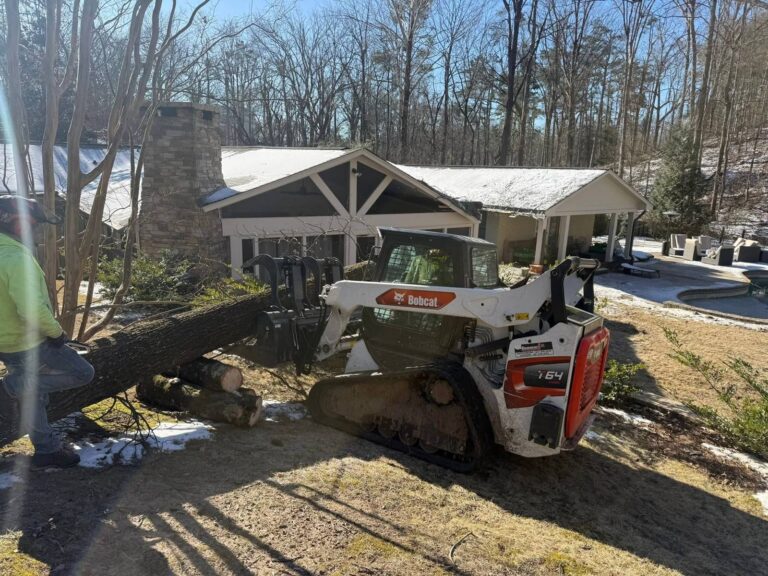
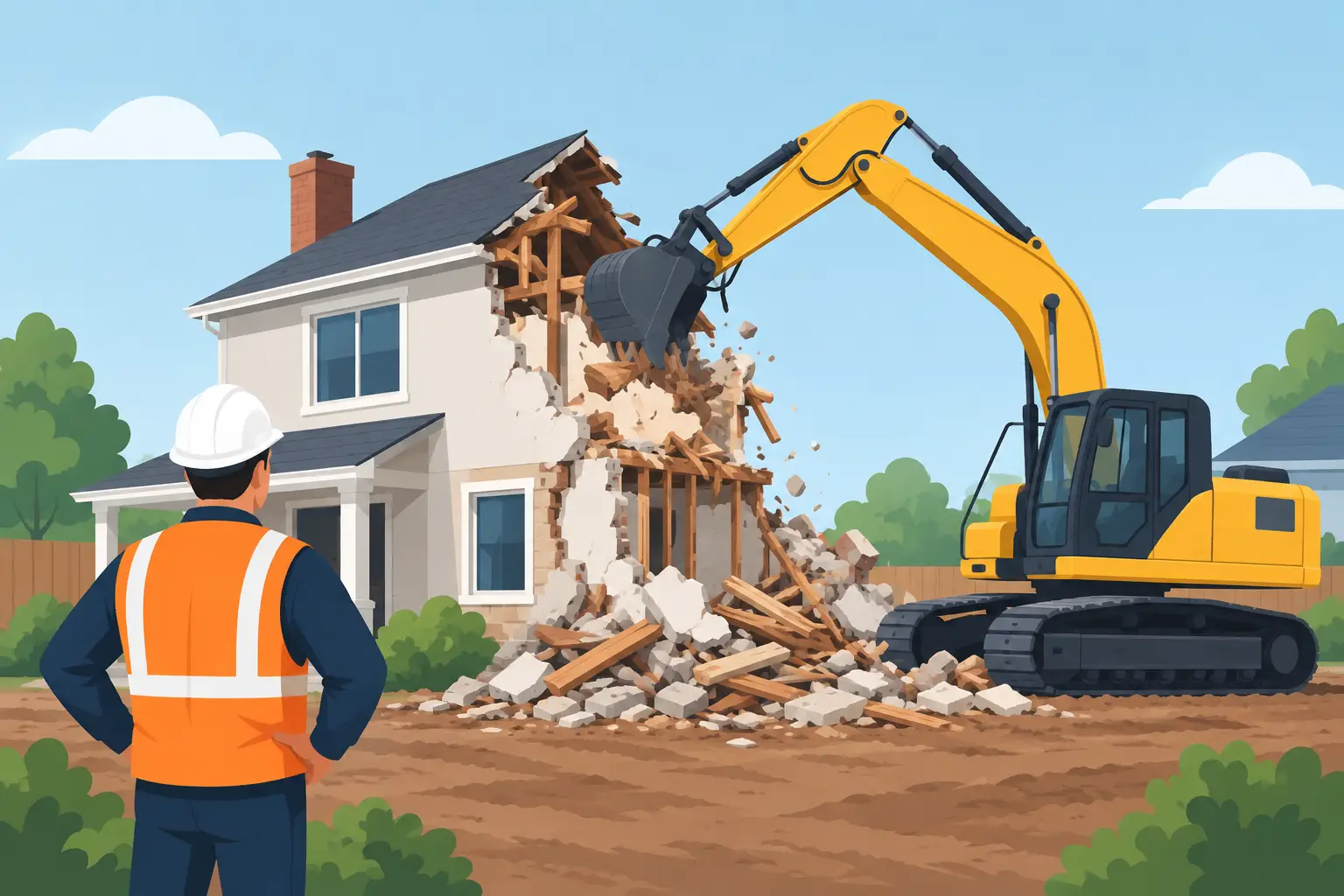
Once the site is ready, experienced operators use the right equipment to bring down the structure in a controlled manner. The goal is to keep the work contained, protect surrounding improvements, and manage dust and debris as the building comes down. Heavy equipment is useful, but skill and planning are what keep a demolition project safe.
Cleanup is not an afterthought. It is a major part of the job. A complete scope should address hauling building debris, removing scattered material, and grading or leveling the area as needed. If you are preparing for construction, ask whether foundation remnants, driveways, patios, steps, and other concrete will be removed as well.
Ask About Insurance, Equipment, and Cleanup
A low estimate can be tempting, especially when an unwanted house is costing you money every month. But demolition work involves real risk. A contractor who is licensed where required, bonded, and insured gives property owners more protection than an uninsured operator with a machine and a truck.
Ask direct questions before you hire anyone. Confirm that the company has experience with residential structures, appropriate demolition equipment, trained operators, and a plan for debris disposal. You should also ask what happens if hidden site conditions are found, such as buried concrete, an old septic tank, unexpected utility lines, or a deteriorated section that changes the original approach.
It helps to get the cleanup details in writing. Some property owners assume demolition includes everything on the lot, only to learn later that concrete slabs, outbuildings, fencing, brush, or tree debris were not part of the estimate. A clear scope keeps expectations realistic and helps you compare quotes fairly.
A complete quote may cost more than a stripped-down estimate, but it can save money when it prevents extra hauling charges, repeat equipment mobilization, or the need to hire another crew to finish the job.
Site Conditions That Can Affect Demolition Cost
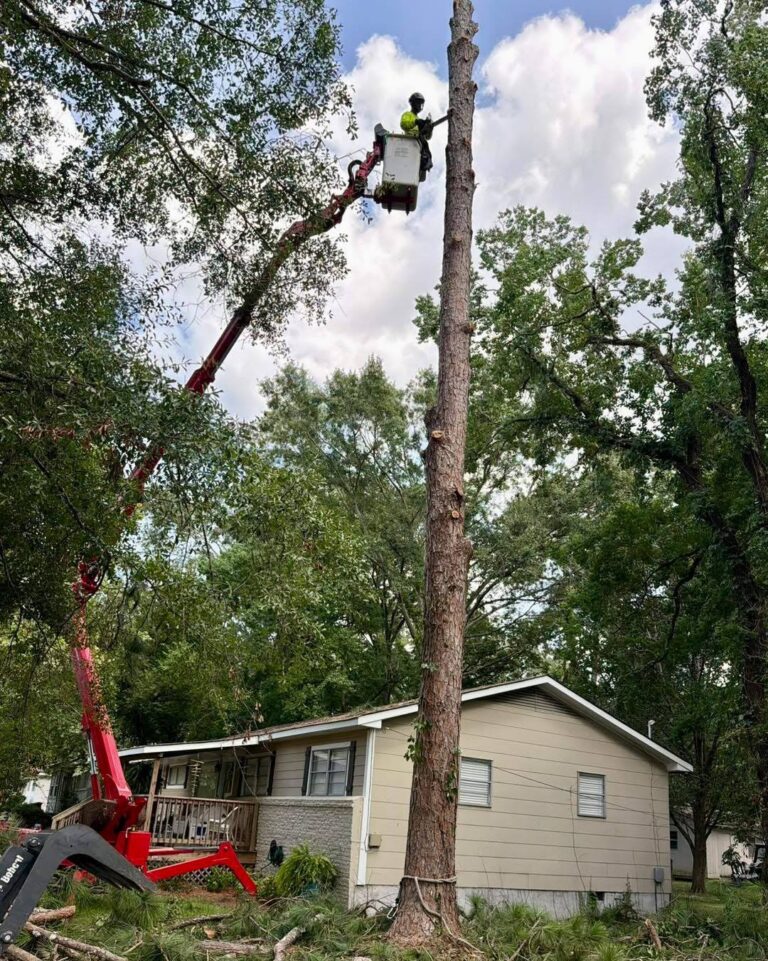
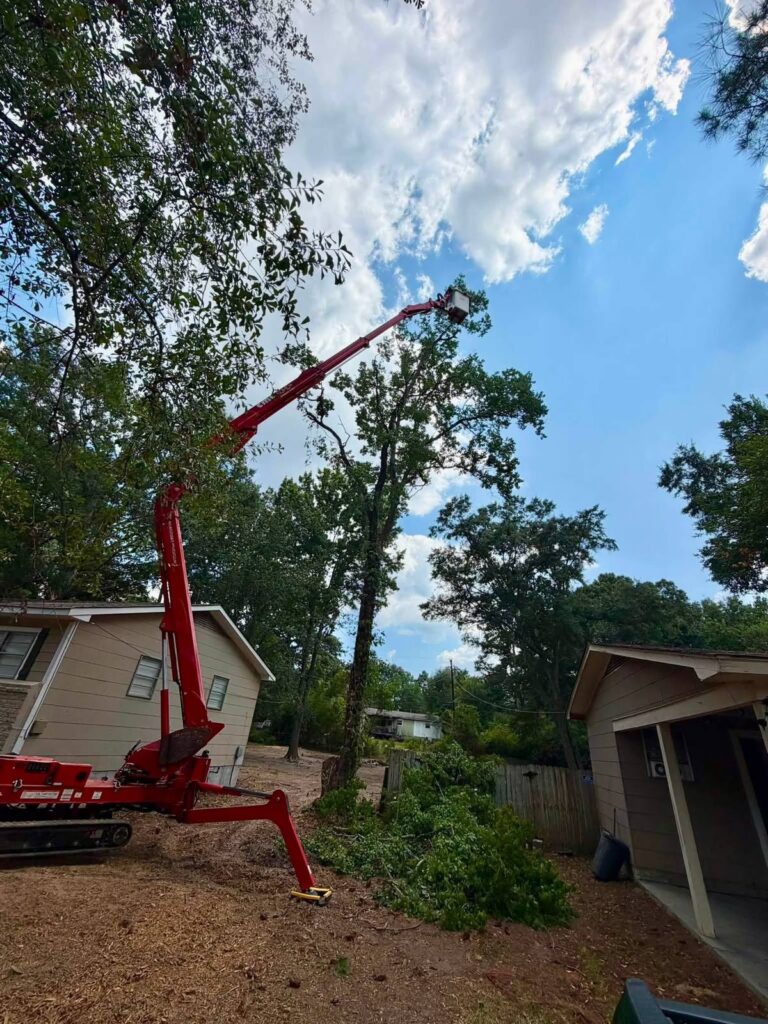
No two house demolition projects are exactly alike. The size and construction of the home are major factors, but site access and cleanup needs can matter just as much. A small house on an open lot may be straightforward. A similar-size house tucked behind trees, close to power lines, or surrounded by concrete can require more time and careful equipment work.
Common factors that influence cost include the amount of debris, distance to disposal facilities, concrete foundations, crawl spaces or basements, detached garages, sheds, fencing, and heavy vegetation. Homes with difficult access may require smaller equipment, additional labor, or special planning to avoid damaging nearby property.
Central Mississippi weather can also affect scheduling. Heavy rain can soften a site, limit truck access, and create rutting concerns. Storm-damaged structures may have additional instability that requires a more cautious approach. These are not reasons to postpone necessary removal, but they are reasons to work with a contractor who understands local conditions and can adjust the plan safely.
Demolition, Tree Removal, and Lot Clearing Work Better Together
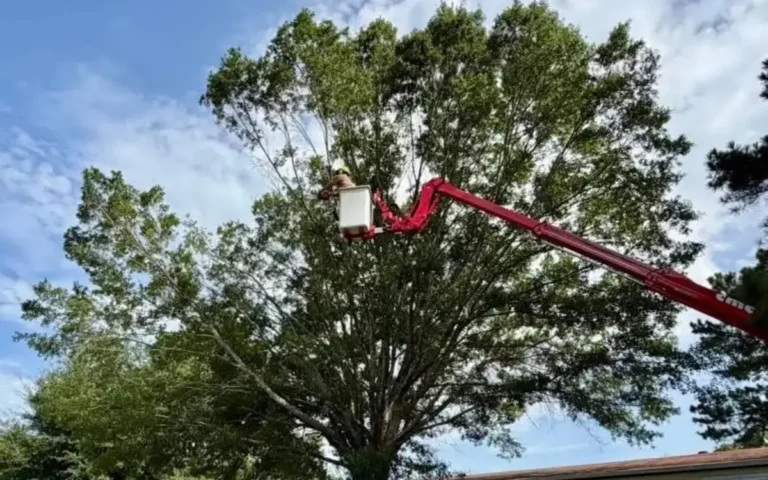
Many properties need more than the house removed. A vacant structure may be surrounded by dead trees, overgrown brush, old stumps, fallen limbs, or vegetation that makes access difficult. Handling those needs through separate companies can stretch out the project and leave the property half-finished between crews.
Combining demolition with tree removal, stump grinding, land clearing, or concrete demolition can make the process more efficient. The crew can create equipment access, remove hazards around the structure, clear debris, and prepare the ground for what comes next. This is especially useful for builders, investors, and homeowners planning a replacement home.
Southern Removal provides residential demolition along with tree care, lot clearing, and concrete removal for property owners across Flowood, Jackson, and the surrounding Central Mississippi area. With skilled crews, advanced equipment, and complete cleanup, the focus is on leaving the site safer, cleaner, and ready for your next project.
Prepare Before the Crew Arrives
A little preparation can help a demolition project move ahead without unnecessary delays. Remove personal belongings from the house, garage, sheds, and yard areas included in the work. If there are items you want to keep, such as fixtures, doors, appliances, sentimental materials, or reusable brick, discuss that before the estimate is finalized. Salvage work takes time and should be planned before equipment arrives.
Make sure the crew can access the property. Unlock gates, identify property lines if needed, and point out anything that must remain protected, such as a neighboring fence, utility meter, driveway section, well, septic component, or mature tree. If you are not able to be present, provide a reliable contact who can answer questions quickly.
It is also wise to speak with your local building or permitting office early in the process. Permit requirements and utility procedures can vary by location. An experienced contractor can help explain the work sequence, but the property owner should understand what approvals or documentation may be needed for the specific site.
Choose a Contractor That Leaves a Usable Property
The real measure of a demolition job is not just whether the house is gone. It is whether the property is safer, cleaner, and easier to move forward with afterward. That means controlled removal, responsible debris handling, protection for nearby areas, and a clear plan for the ground left behind.
If an aging or damaged home is standing in the way of your property plans, start with a free estimate and a site-specific conversation. A dependable crew can help you decide what needs to be removed, what can stay, and how to leave the lot ready for its next purpose.
Have a house or building that needs to come down? Call or text (769) 328-7050 for a free estimate.
Southern Removal is family owned in Flowood, and Joey Milner is a Licensed Mississippi Tree Surgeon (TSL #50044).